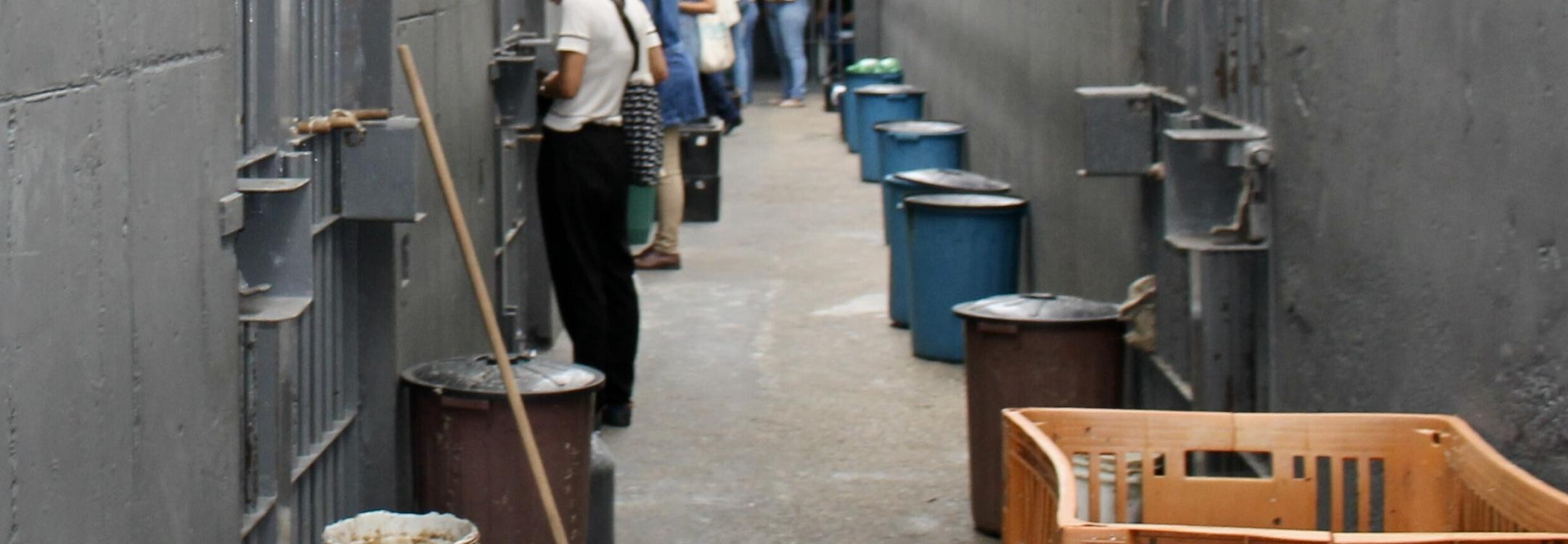
Nearly 934 detention control hearings take place every day in Brazil, a country with the third largest prison population, concerning records regarding the behavior of law enforcement officials, and a lack of independent oversight. Since the implementation of the so-called custody hearings in 2015, the proportion of pre-trial detainees has fallen from 41% in 2014 to 28% of the 705,872 people deprived of liberty, facing overcrowding and extremely harsh conditions in prisons.
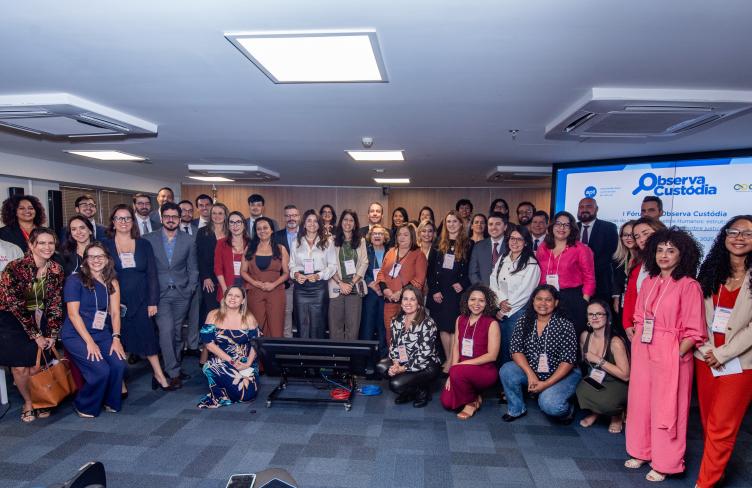
Underscoring the importance of ensuring anti-torture legal safeguards in criminal justice systems, we are delighted to celebrate the 10th anniversary of custody hearings by co-launching the report, ‘Law in custody: A decade of custody hearings and the Future of Public Policy on Prison Control and Torture Prevention’ (Direito sob custódia: Uma década de audiências de custódia e o futuro da política pública de controle da prisão e prevenção da tortura), authored by the Instituto de Defesa do Direito de Defesa (IDDD) and supported by the APT. An interactive data dashboard has also been made available alongside the report, enabling users to examine aggregated and local relevant practices and pattern.
The research provides a solid, comprehensive and scientifically sound sample, supported by legal and technical indicators, to help understand the current implementation of custody hearings in Brazil. As such, the report examines, for example, whether hearings are held within 24 hours of arrest in a judicial setting. It also measures, using a score-driven indicator, whether judges ensure that different legal safeguards are respected. Furthermore, it provides analysis and data on allegations and patterns of abuse that may constitute torture or ill-treatment.
The report highlights concerning trends in judicial dynamics and outcomes, particularly with regard to virtually led custody hearings. Building on the numbers from APT’s Observa Custódia platform, it points out that only 26% of local courts in Brazil hold custody hearings exclusively face-to-face. 34% use videoconferencing and 40% use a combination of both models. The figures collected for this report are worrying and highlight the need for improvements in judicial practices and standardised implementation nationwide. For example:
- Securing a judicial environment: Only 26% of custody hearings took place in a courtroom. The majority were held in police stations or prisons.
- Ensuring legal safeguards: Judges check legal safeguards 17.5% more effectively when detainees are present in person compared to hearings via videoconference. In 94.7% of cases, detainees had legal counsel prior to the custody hearing.
- Allegations of torture and racial discrimination: 19.3% of defendants alleged that they had suffered torture, ill-treatment or any form of aggression during detention. Of the judicial decisions on black defendants in this group, 27.9% did not provide any follow-up on these allegations, compared to 17.8% of white detainees in the same group. When defendants were handcuffed and accompanied by a police officer during the hearing, the number of allegations fell to 13.1%.
- Alternatives to detention with potential impact on young children: Women defendants and women who are primary caregivers of children under 12 were treated the same way in terms of their eligibility for alternatives to detention. Pre-trial detention was ordered for 28.9% of mother detainees and 29.3% of those not in this category.
- Racial profiling by the police: 76.8% of people arrested and brought before a judge were black, which is an overrepresentation of this group given that it comprises 55.5% of the Brazilian population.
We hope that its content will enable stakeholders in the criminal justice system and law enforcement agencies, as well as Brazilian society as a whole, to discuss and improve judicial practices in the first moments of detention where necessary, and protect people deprived of liberty from human rights violations. The Folha de S.Paulo newspaper has been granted first-hand access and has already initiated this national debate by publishing an article on the report.
We would like to thank also the researchers, students and members of civil society who worked in ten Brazilian cities across five regions of the country (Acre, Bahia, Goiás, Minas Gerais, Paraná and São Paulo), as well as the funders who made this report possible: the European Union, via the United Against Torture Consortium (UATC); the Embassy of the Kingdom of the Netherlands in Brazil; and the Canton of Basel, Switzerland.